
Infant Care Program
Nurturing and developmentally focused infant care program designed to support every stage of your baby’s growth

Infant Care Program in Greenville, NC
Children’s World Learning Center offers a nurturing and developmentally focused infant care program designed to support every stage of your baby’s growth from birth to twelve months. During this time, infants experience the fastest rate of development — physically, emotionally, and cognitively — which is why our infant care programs are built around safety, connection, and discovery.
get started
As Greenville’s premier 5-star child care organization, Children’s World Learning Center is trusted by families across eastern North Carolina. Our child care programs in Greenville, NC provide a safe, engaging, and family-centered environment that supports each child’s unique developmental path.

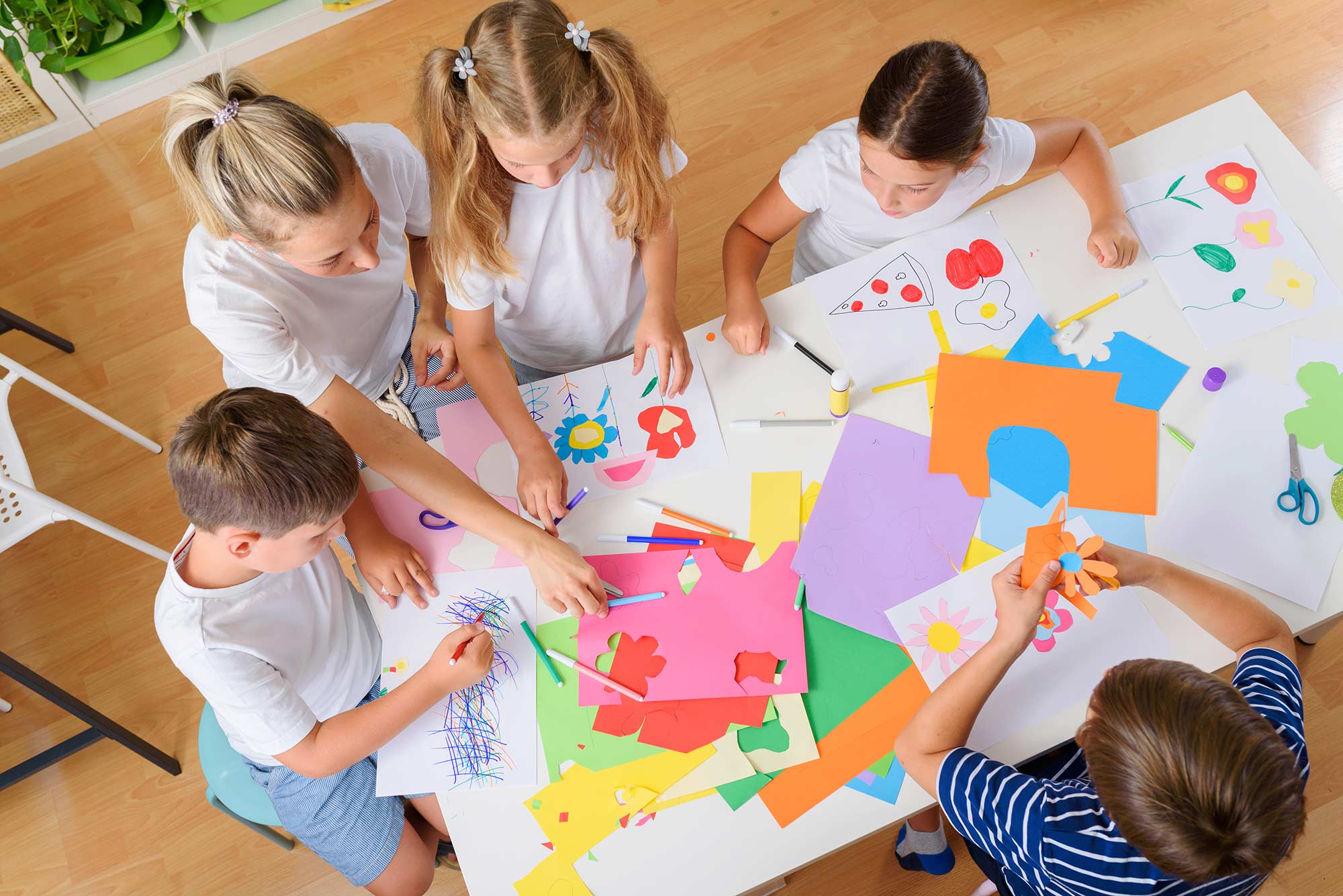

The Creative Curriculum is used in all CWLC classrooms.
Teachers can directly communicate to families through the Parent Engagement App. This system is designed to let parents know highlights throughout the day such as mealtimes, nap time schedules, diapering / potty training, and/or photos and fun snapshots that are precious keepsakes.
Infants can begin our infant classrooms at 6 weeks old.
1. Social–Emotional Development
- Responsive interactions: Smiling, talking, and engaging during diapering, feeding, and play.
- Comforting routines: Holding, rocking, and soothing to build secure attachment.
- Peekaboo and simple turn-taking games to build connection and trust.
2. Physical (Gross & Fine Motor) Development
- Tummy time to strengthen neck, back, and arm muscles.
- Low climbing structures or soft mats for early crawlers and walkers.
- Grasping toys, rattles, textured balls, and linking rings to support fine-motor coordination.
- Push toys and cruising furniture for infants learning to stand and walk.
3. Cognitive Development
- Object permanence activities, such as hiding toys under a cloth.
- Cause-and-effect toys: Buttons to press, simple pop-up toys, and stacking cups.
- Exploration baskets with safe, everyday objects to encourage curiosity.
4. Language & Communication Development
- Talking through routines (“I’m changing your diaper now…”) to build vocabulary.
- Reading board books with high-contrast images or simple stories.
- Singing, fingerplays, and nursery rhymes to promote listening and early language.
5. Sensory Development
- Textures: Soft fabric squares, sensory bottles, and textured balls.
- Sounds: Rattles, shakers, and gentle music.
- Water play or warm washcloth exploration (always supervised).
6. Relationship-Based Routines
- Feeding time conversations and eye contact to support bonding.
- Predictable daily schedules to create comfort and security.
- Individualized nap routines that align with each infant’s natural rhythm.